

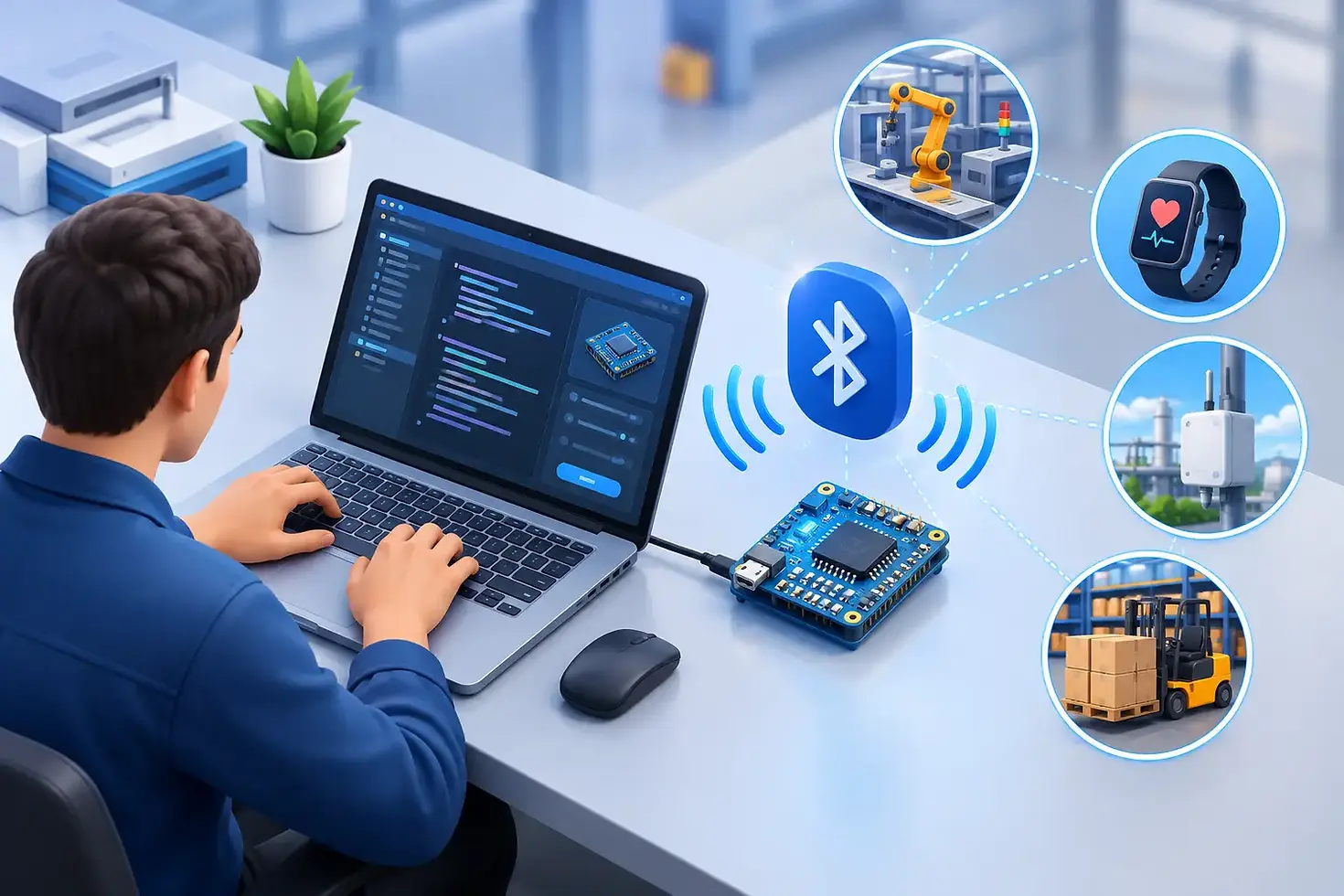
How OEMs Program BLE Controllers for Industry

A BLE controller can look finished on the bench and still fail the real product test: reconnecting predictably after a power interruption, maintaining secure pairing in a crowded facility, or supporting a field update without disrupting the appliance it controls. To program BLE controllers for industrial and OEM equipment, firmware must be treated as part of the complete electronic system, not as a communications feature added near the end of development.
For appliance manufacturers, commercial equipment builders, and industrial OEMs, Bluetooth Low Energy can provide useful access to status, configuration, diagnostics, and service functions. The engineering challenge is to deliver those benefits without adding unpredictable behavior, excessive power consumption, or unnecessary complexity to the product.
How to Program BLE Controllers for OEM Products
Programming a BLE controller begins with defining the controller's operating role. In some products, BLE only supports a service technician who needs local access to diagnostics and configuration parameters. In others, it is the connection between a mobile application and an appliance, refrigeration controller, or equipment gateway. Those are different use cases, and they require different decisions about connection intervals, advertising behavior, security, data storage, and recovery logic.
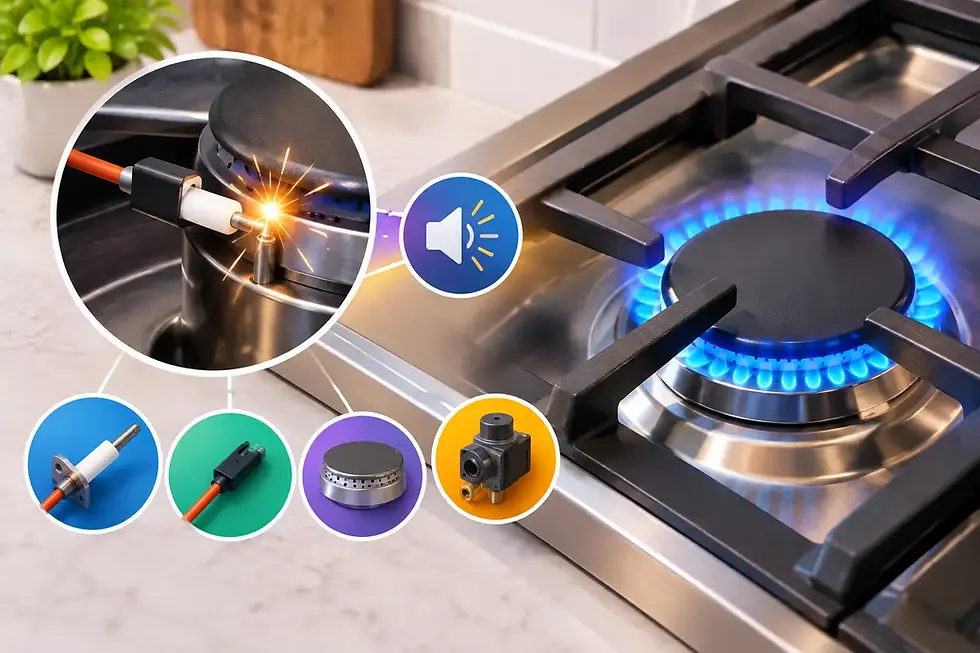
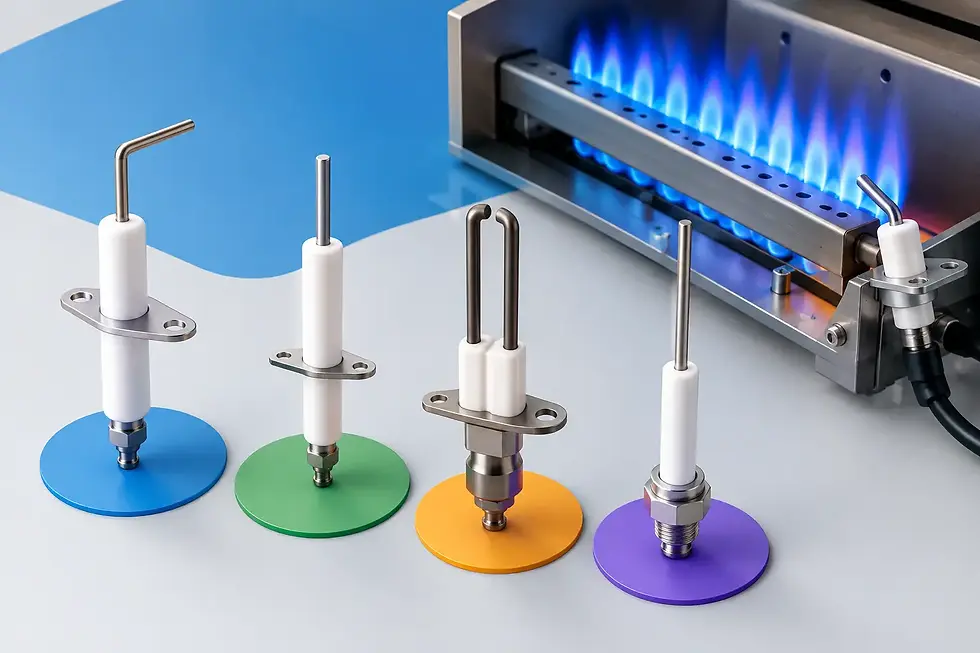
The first question is not which mobile app will connect. It is what must happen when there is no phone, no network, an interrupted connection, or an invalid command. A controller for a gas ignition system, for example, must continue to prioritize its safety and ignition sequence independently of BLE activity. Wireless communications can report status or support authorized configuration, but they should not compromise deterministic control behavior.
This separation of responsibilities is fundamental. The firmware should establish clear boundaries between the real-time control application, the BLE stack, the hardware abstraction layer, and any persistent configuration data. A well-defined architecture makes it easier to validate changes, isolate defects, and support future product variants without rewriting the entire controller.
Start with the product requirements, not the radio
A practical BLE specification should define what information moves through the connection and why. Rather than exposing every internal variable, identify the parameters, events, and records that provide operational value. These may include fault codes, runtime counters, temperature readings, maintenance alerts, firmware version, or commissioning settings.
Each data item needs rules. Who can read it? Who can write it? What is the acceptable update rate? Is it retained after a power cycle? Does a changed value require a controller restart or additional validation? Answering these questions early avoids a common development problem: a BLE interface that works for demonstration purposes but becomes difficult to secure and maintain in production.
The Bluetooth GATT profile should reflect these requirements. Services and characteristics need meaningful structure, defined permissions, and stable behavior across firmware revisions. For OEM programs expected to remain in service for years, backward compatibility deserves attention from the first release. Changing a characteristic format after a mobile application or service tool is deployed can create avoidable field support work.
Design for connection behavior in the field
BLE is low power by design, but low power does not automatically mean low risk. Advertising intervals, connection intervals, transmit power, and notification frequency all affect energy use and perceived performance. A battery-powered device may need conservative timing and selective reporting. A line-powered commercial appliance may allow more frequent diagnostics, but it still needs disciplined radio behavior to limit interference and processing overhead.
The environment also matters. Industrial equipment may operate near motors, power supplies, metal enclosures, refrigeration systems, or other wireless products. Range observed on an open workbench does not represent performance inside a finished enclosure or installed equipment. Antenna placement, grounding, enclosure material, and nearby conductors should be evaluated alongside firmware settings.
Connection recovery deserves the same attention as initial pairing. The controller should handle a phone moving out of range, an app closing unexpectedly, a Bluetooth stack reset, and a power interruption without leaving the core application in an uncertain state. Timeouts should return the system to a known operating condition. Commands should be acknowledged only after they have been validated and applied correctly.
Security Must Match the Controller's Risk Profile
BLE security should be proportionate to the consequence of access. A read-only temperature display has different requirements from a controller that permits configuration changes, diagnostic resets, or equipment commissioning. In industrial and appliance applications, it is generally prudent to separate general monitoring functions from privileged service functions.
Secure pairing, authenticated access, encrypted communications, and carefully managed bonding data are essential tools, but they are not a substitute for application-level controls. Firmware should verify whether a connected user or tool is authorized to perform a specific action. It should validate every command for range, state, and timing. A correctly encrypted command can still be unsafe if it requests an invalid operating parameter.
Credential handling also requires a production plan. Shared default passwords and easily reproduced commissioning keys create long-term exposure. Depending on production volumes and service requirements, an OEM may use unique device credentials, controlled provisioning, or a protected service workflow. The best choice depends on the application, factory process, and expected support model.
For equipment with safety-related functions, wireless features should not become a path around established hardware and firmware protections. BLE can be valuable for visibility and authorized maintenance, while the controller's safety logic remains independent, verified, and fail-safe.
Plan Firmware Updates Before Release
Over-the-air firmware update capability is attractive because it can correct defects or add features after installation. It also introduces a serious design obligation. A failed or interrupted update must not leave the equipment unusable, and an unauthorized update must never be accepted.
A dependable update design typically includes a protected bootloader, firmware image validation, version control, integrity checks, and a recovery path. The controller may need sufficient nonvolatile memory to preserve the current image until a replacement has been fully received and verified. Memory cost, update time, and recovery requirements must be evaluated at the hardware architecture stage, not after the PCB is finalized.
Not every product requires field updates. For a tightly controlled OEM system with limited access and a stable feature set, factory programming may be the better choice. For connected equipment expected to evolve over a long lifecycle, secure field updates can reduce service costs and protect product value. It depends on the consequences of a field defect, the expected deployment scale, and the customer's maintenance process.
Test the Complete System, Not Just the BLE Link
A BLE test plan should extend beyond connecting a development phone to the controller. Engineering teams need to test the wireless function under the conditions that reflect product use: low supply voltage, rapid power cycling, full processor load, poor signal conditions, nearby radio traffic, and abnormal command sequences.
The test program should also verify interaction with the controlled equipment. If the controller manages ignition, cooling, temperature regulation, or an AC load, confirm that BLE events do not delay time-critical tasks or alter control timing. Confirm that a disconnected session, malformed packet, or failed update cannot place the system in an unsafe or indeterminate state.
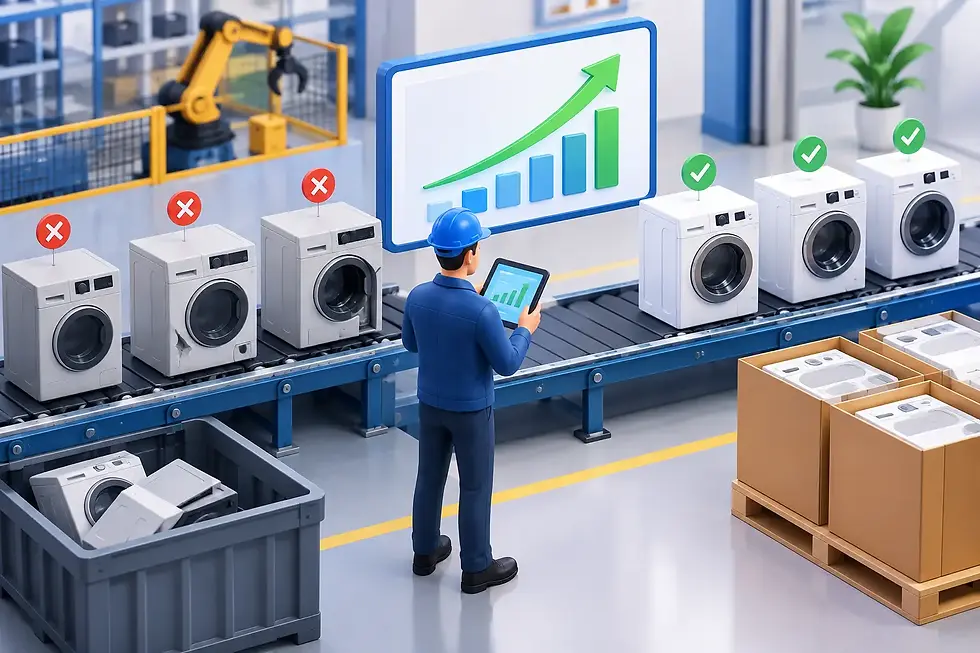
Production testing is equally important. A manufacturing process may need to load device-specific data, verify radio operation, record firmware revision, and confirm that the antenna path performs within defined limits. These steps should be designed for repeatability and cycle time, especially when an OEM anticipates volume production across multiple product configurations.
Build for serviceability and product longevity
The most useful BLE implementations make field service more informed, not more complicated. A technician may need a clear fault history, an installation record, a hardware identifier, and controlled access to configuration settings. These features can shorten diagnosis time when their behavior is consistent and documented.
They also require lifecycle discipline. Component availability, BLE stack maintenance, mobile operating system changes, and regional radio requirements can affect a product years after its original launch. Working with an engineering and manufacturing partner that manages both controller development and production helps keep those decisions connected to the realities of the finished product.
Electronica Eltec approaches custom controllers as complete OEM subsystems, aligning embedded firmware, BLE functionality, electronics design, validation, and manufacturing requirements from the start. That approach is especially valuable when wireless connectivity must coexist with exacting control functions such as ignition, refrigeration, or power regulation.
The right BLE controller is not the one with the longest feature list. It is the one that delivers useful connectivity while preserving the predictable control, safety, manufacturability, and service life that industrial equipment demands.
Comments